Chemical Monitoring
INTRODUCTION
Many workplace chemicals are invisible and odourless. You cannot tell by smell or sight whether workers are being exposed above safe limits, and without measurement, you do not know.
REGULATION SUMMARY
The regulations require employers to ensure workers are not exposed to hazardous chemicals above legal limits, and to conduct atmospheric monitoring where exposure is uncertain.
Exposure standards are set under the Workplace Exposure Limits for Airborne Contaminants 2025 (Safe Work Australia) as either an 8-hour time-weighted average or a 15-minute short-term exposure limit. If your workers use, handle, or are exposed to hazardous chemicals in any form, these obligations apply to you.
WHAT WE DO
We provide independent chemical exposure assessment, with sampling, NATA accredited laboratory analysis, and reporting that stands up to regulatory scrutiny. The regulations require you:
- Conduct atmospheric monitoring where exposure is uncertain
- Implement controls starting with elimination
- Provide monitoring results to exposed workers
- Provide health monitoring to relevant exposed workers
HOW WE DELIVER
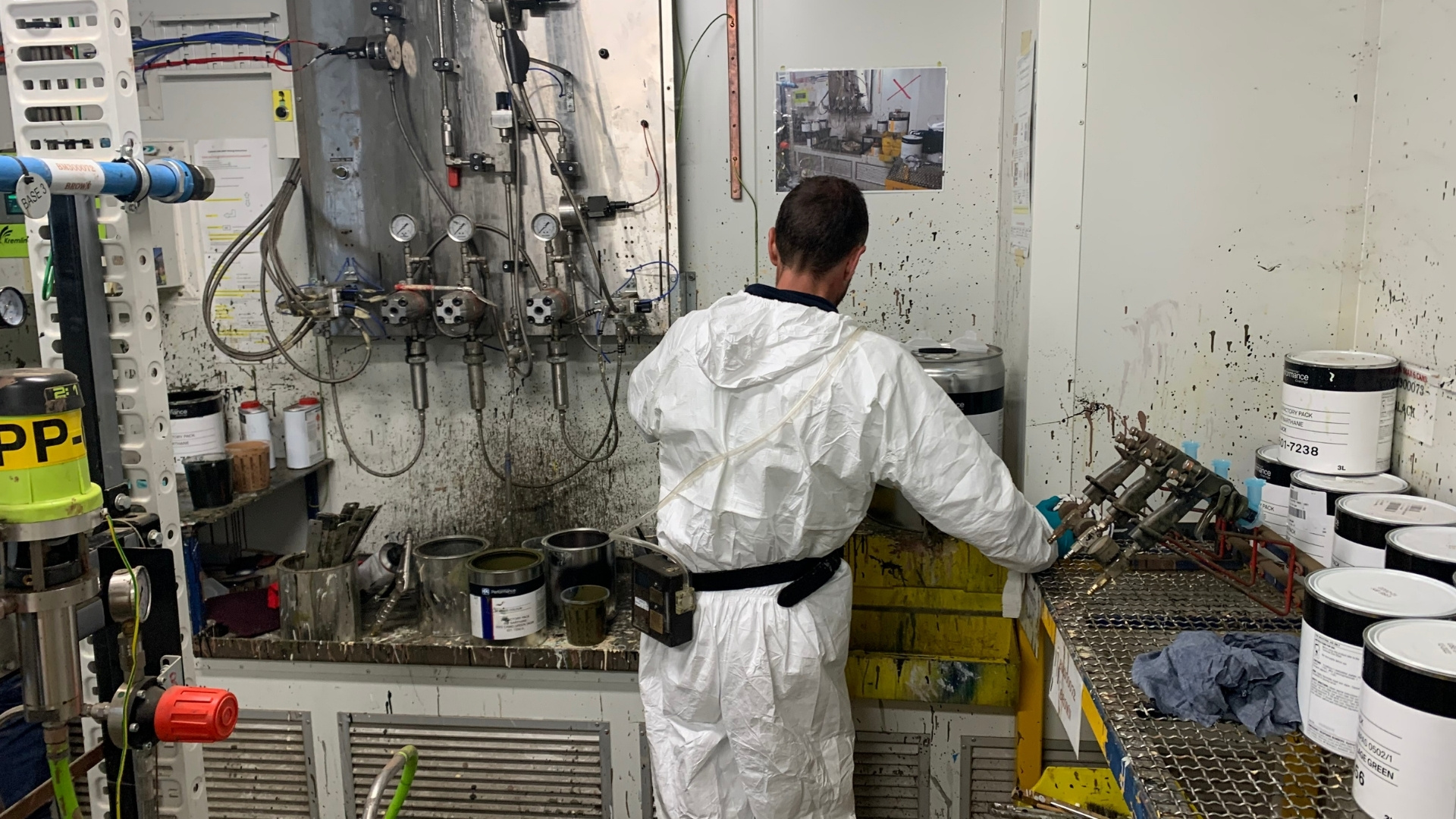
- Personal breathing zone sampling
- Static area sampling
- Direct reading instrument measurements
- Multi-chemical assessments
- Safety Data Sheet and chemical reviews
- Written report with findings and recommendations
HOW WE DO IT
- Review Safety Data Sheets and work processes before arriving on site
- Identify workers with the highest exposure risk
- Develop a targeted sampling plan
- Fit sampling pumps to workers at the start of shift
- Sample during the 15-minute period of highest anticipated exposure for STELs
- Sample across a representative full shift for TWA limits
- Take real-time measurements using direct reading detectors where appropriate
- Send samples to a NATA accredited laboratory
- Compare results against the Workplace Exposure Limits for Airborne Contaminants 2025
- Prepare a report with findings and recommendations
YOUR SOLUTION
- Measure what workers breathe
- Compared against legal limits
- Highest risk workers identified
- Recommendations you can act on
WHY IT MATTERS
Chronic chemical exposure rarely presents immediately. By the time a worker develops a health condition, the exposure has been occurring for years, and the question becomes whether you knew, or should have known, and what you did about it. Atmospheric monitoring is the evidence that you took your obligations seriously.
Without measurement, you cannot confirm controls are working, you cannot meet your obligation to inform exposed workers, and you have no defence if exposure is later found to have exceeded legal limits. With Safety Systems, you get:
- Results for all relevant chemicals compared against current legal limits
- Identification of highest risk tasks and workers
- Real-time direct reading data to complement laboratory results
- A report that stands up to WorkSafe Victoria scrutiny
- Evidence of due diligence under the regulations
- Practical recommendations to reduce exposure
- Support to act on findings