
Indoor Air Quality
INTRODUCTION
Poor indoor air quality affects health, comfort, and productivity, but occupants often do not connect their symptoms to the building they work in. Headaches, fatigue, eye and throat irritation, and worsening respiratory conditions are common indicators, but without measurement you cannot confirm the cause or demonstrate that you have acted.
WHAT WE DO
Under the regulations, employers must provide a safe working environment and investigate where workers report symptoms that may be related to the indoor environment. Safety Systems provides independent indoor air quality assessment, covering air parameters, biological contamination, and HVAC performance, with reporting suitable for regulatory, legal, and insurance purposes.
The regulations require that you:
- Provide a safe working environment for all occupants
- Investigate and act where workers report health effects linked to the building
- Ensure heating, ventilation, and air conditioning systems are maintained
- Arrange specialist assessment where indoor air quality is suspected to be the cause of ill health
HOW WE DELIVER
- Direct reading measurements of key indoor air quality parameters
- Airborne mould and allergen assessment using the Mycometer® system
- HVAC and ventilation inspection
- Visual inspection for moisture, mould, and building defects
- Written report with findings and recommendations
HOW WE DO IT
- Conduct a site walkthrough in consultation with the client
- Formulate a sampling strategy based on affected areas
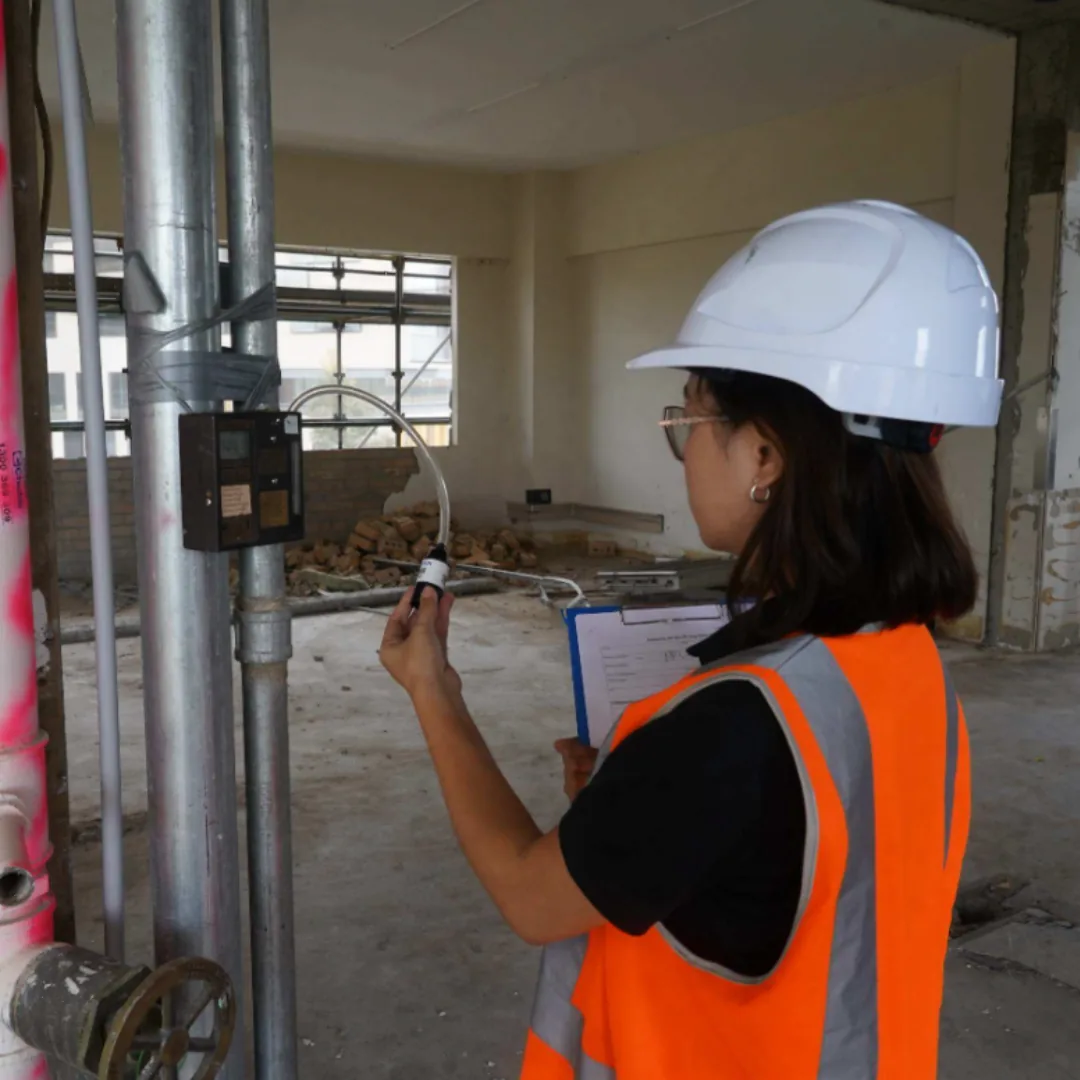
- Measure indoor air quality parameters using calibrated direct reading instruments
- Parameters measured include TVOCs, carbon monoxide, carbon dioxide, relative humidity, and temperature
- Collect mould and allergen air samples using the Mycometer® system where required
- Compare results against national and international reference levels
- Prepare a report with findings and recommendations
YOUR SOLUTION
- Find the source, not just the symptom
- Measured against reference levels
- HVAC and building assessed together
- A report you can act on
WHY IT MATTERS
Occupant complaints about air quality that are not investigated become workers compensation claims, staff turnover, and legal disputes. Telling workers the building is fine without measurement to support that conclusion is not a defence, it is an exposure.
Without independent assessment, you cannot identify what is in the air, confirm whether your ventilation system is performing, or demonstrate that you responded appropriately to reported health effects.
With Safety Systems, you get:
- Measured results for all key indoor air quality parameters
- Identification of problem areas, sources, and contributing factors
- Mould and allergen assessment where biological contamination is suspected
- A risk assessment for occupied and adjoining areas
- A report suitable for insurance, legal, and regulatory purposes
- Practical recommendations to improve indoor air quality
- Evidence of due diligence under the OHS Act
- Support to act on findings