
Mould Assessments
INTRODUCTION
Mould grows wherever there is moisture. It is not always visible, and by the time workers report health effects, it may already be widespread. When airborne mould spores and fragments are inhaled they can cause serious health effects, workers with asthma, allergies, or a weakened immune system are at greatest risk.
WHAT WE DO
Under the legislation, employers must provide a safe working environment and investigate and act where workers report health effects. Where mould is present and the cause is unclear, a specialist assessment is required. Safety Systems provides independent mould assessment, laboratory analysis, and clearance certification to confirm your workplace is safe and your obligations are met.
Employers must:
- Provide a safe working environment
- Investigate and act on reported health effects
- Control moisture and dampness in the workplace
- Arrange specialist assessment where mould is present and the cause is unclear
HOW WE DELIVER
- Air sampling
- Surface sampling
- Visual inspection and moisture assessment
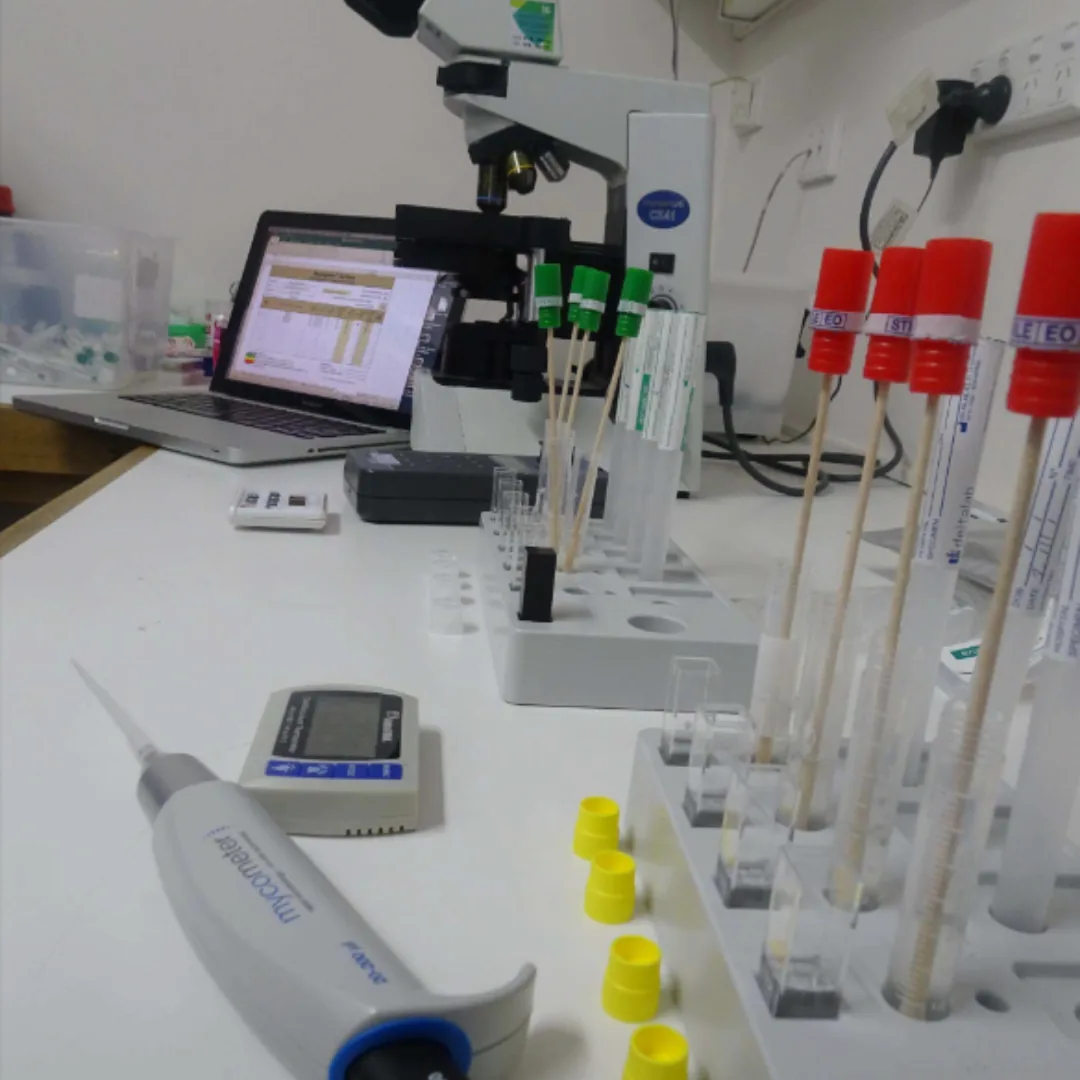
- Laboratory analysis
- Post remediation clearance testing
- Written report with findings and recommendations
HOW WE DO IT
- Inspect the site and formulate a sampling strategy
- Collect air and surface samples
- Use biochemistry assays to calculate mould levels
- Compare findings against reference levels
- Prepare a report with observations, results, and recommendations
YOUR SOLUTION
- Find it. Measure it. Fix it.
- Risk rated, area by area
- Clearance after remediation
- Evidence your workplace is safe
WHY IT MATTERS
Mould complaints that are not investigated, become workers compensation claims, legal disputes, and reputational damage. Telling workers the workplace is safe without measurement to back it up is not a defence, it is an exposure.
Without independent assessment, you cannot confirm the extent of contamination, identify the moisture source, or demonstrate that remediation was effective.
With Safety Systems, you get:
- Quantitative measurement of airborne and surface mould levels
- Identification of affected areas and moisture sources
- Risk assessment for occupied and adjoining areas
- Independent clearance certification following remediation
- A report suitable for insurance, legal, and regulatory purposes
- Practical recommendations to prevent recurrence
- Evidence of due diligence
- Support to act on findings